The Average Cost of Homeowners Insurance in Ohio

Nicolas Cepeda
Financial Analyst at Truehold - A Specialist in Real Estate Finance
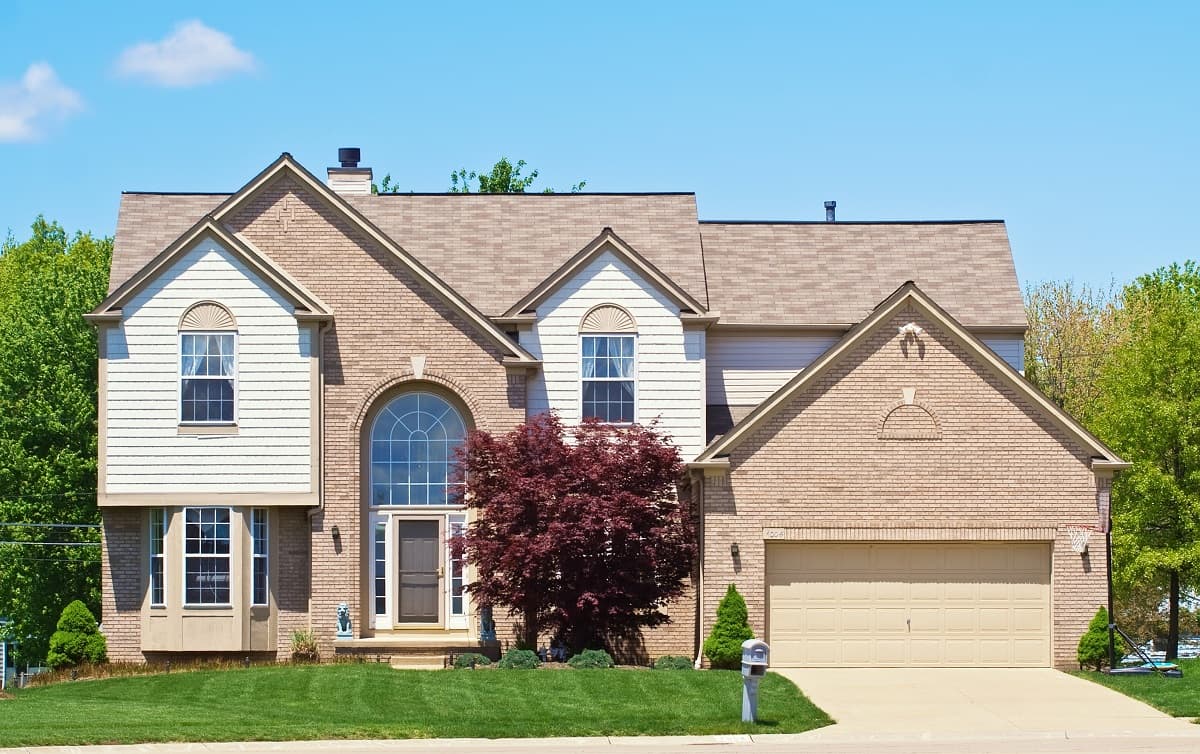
Rents continue to rise in Ohio and across the United States on an average of over three percent, yet in many cases it’s still often cheaper to rent than it is to buy.1 This is due to still-high mortgage rates and limited housing inventory, but also because homeownership comes with a slew of additional costs. Property taxes, pricey repairs, homeowners association (HOA) dues, and other stealthy expenses can all add up, but for some Ohio residents, the biggest of these expenses will be the cost of homeowners insurance. So, what’s the answer to buying a home in Ohio and lowering the insurance costs at the same time?
Read on to learn more about the average cost of homeowners insurance in Ohio, some of the driving factors behind this hefty cost, and a few ways you can reduce this expense –– or eliminate it altogether.
Understanding Homeowners Insurance
People who don't own homes might not be familiar with homeowners insurance, and even homeowners themselves might be surprised to discover the full breadth of its utility. Homeowners insurance is similar to an automotive policy in that it provides financial protection against potential losses and property damage in the case of a destructive event. However, this insurance coverage also extends to personal belongings, furnishings, and other assets in the home. And in the event that your home gets damaged to the point of needing repairs (or a rebuild,) your homeowners insurance may cover living expenses incurred by your displacement –– depending on the terms of your policy.2
Homeowners insurance also provides liability coverage against accidents in the home or on the property, protecting policyholders against potentially crippling legal fees in the event of any unintentional harm. This extends to damage caused by family members or pets. These policies also have a coverage limit, however, and while fires are considered qualifying destructive events, floods and earthquakes are not. Ohio isn’t known for its earthquakes, so earthquake insurance isn’t necessary. Flood insurance coverage, on the other hand, may be good to have (and may even be required by some lenders.)
Compared to some costs affiliated with Ohio homeownership, homeowners insurance is fairly straightforward. Still, it’s wise to understand the full extent of any insurance policy to ensure you’re getting the coverage you need.
Unlock your property's potential with Truehold's sale-leaseback
Click hereWhat Is the Average Cost of Homeowners Insurance in Ohio?
Also like an auto insurance policy, the average cost of homeowners insurance in Ohio varies from homeowner to homeowner. However, according to information gathered by MarketWatch, spanning several insurance providers, Ohio residents can expect to spend around $1,600 each year on homeowners insurance. While this may feel like a hefty expense, it’s a relative bargain compared to the national average of $2,400 a year.3
Homeowners insurance in Ohio can get quite costly in the supplemental policies mentioned above, like flood insurance. Ohio has more flood-prone areas than many other states, resulting in higher annual insurance premiums. Depending on which part of Ohio they’re in, Ohio homeowners can expect to pay anywhere from $600 to $2,250 a year on flood insurance. The annual state average is around $1,200, but residents of more flood-prone areas like Cincinnati and Columbus can expect to pay a higher premium.
Factors Affecting Homeowners Insurance Rates
Aside from the need for additional flood coverage, there are several factors that can influence the average cost of homeowners insurance in Ohio:
- Location: Your home’s location will significantly impact your annual homeowners insurance premiums. Homes in flood zones or other areas commonly impacted by weather will be more costly to insure, but homeowners insurance rates can even be driven up by factors ranging from vandalism and crime risks –– or driven down by proximity to a functioning fire station.4 To get a better idea of where your neighborhood stands, use FEMA’s flood zone map or research average premiums in your area.
- Age and Construction of Home: At their core, homeowners insurance providers (and mortgage lenders, for that matter) operate on a core tenet: the less risky a home is to insure, the lower the annual homeowners insurance premium will be. Given that older homes –– and homes built using certain materials –– tend to be more prone to risk, the premiums to insure these homes are higher in turn. The structures of older homes are effectively fighting gravity for decades on end, resulting in substantial wear and tear as the years tick on. Further, should something happen to these homes, the cost to make necessary repairs will likely be far higher than that of a new build.
- Home Safety Features: Homes in statistically less safe areas tend to have higher insurance premiums, but homeowners can work to counteract these elevated costs by installing home safety features. Doorbell and surveillance cameras, burglar alarms, and other home security devices can lower your annual homeowners insurance premium by two to three percent –– but some providers will offer as much as 15 percent off for homes with these security measures installed.5 The true value of this discount will vary from lender to lender. So, if you’re considering making these home upgrades to reduce your homeowners insurance premiums, shop around to ensure the discount is worth the investment.
- Personal Claim (and Credit) History: Apart from your property’s location and history, your own history can significantly impact your annual homeowners insurance premiums. For one, if you’ve made multiple homeowners insurance claims in the past, this history could negatively impact your premiums today. This can frustrate many homeowners, who feel punished for simply using their insurance policies as intended. But from the perspective of an insurance provider, a rich claims history signals heightened risk –– which must then be offset with a higher homeowners insurance rate.
Your claims history isn’t the only thing an insurance company looks at when assigning rates. Your credit history, too, can impact your annual premiums. Ohio homeowners with a lower credit score tend to pay substantially more for their homeowners insurance. So, if you’re in the process of rebuilding your credit score, know that your score could have an impact on your annual premiums.
- Additional Variables: Some of the above factors associated with risk may seem obvious, but there are some additional variables that may surprise you. Certain dog breeds can drive up homeowners insurance policy rates, as can amenities like swimming pools and trampolines that may be harmful to children –– yours, or others’. Consider these more uncommon factors when shopping around for homeowners insurance in Ohio.
Is Homeowners Insurance Required in Ohio?
Understanding the average cost of homeowners insurance in Ohio and the myriad factors influencing annual premiums, some homeowners may question if there’s a way to circumvent homeowners insurance altogether. But while the state of Ohio doesn’t legally require homeowners insurance, your mortgage lender likely has requirements of their own –– not to mention that going without homeowners insurance can be an incredibly risky (and costly) maneuver.
Lender Requirements for Homeowners Insurance
When a financial institution or mortgage lender approves your home loan, they take an active financial stake in your property. Naturally, they want to ensure their investment is protected –– requiring homeowners insurance as a result and ensuring that lenders get reimbursed for their portion of ownership in the event of damage or destruction. Depending on your location, lenders may also require flood insurance, which can be a hefty surcharge on top of your annual insurance premiums. Note that lenders will likely also require proof of homeowners insurance.
Risks of Not Having Homeowners Insurance
Though it’s not against the law, opting out of homeowners insurance in Ohio can be extremely risky. Without insurance, homeowners are fully exposed: on the hook for any repair or rebuilding costs resulting from property damage and financially liable for any accidental injuries that occur on the premises. Considering you’ll still have a mortgage to pay in addition to any construction or legal fees, this financial burden can be too much to bear without homeowners insurance.
But homeowners insurance isn’t just a safeguard against disaster –– it alleviates the stress of unfortunate events and inconveniences of all sizes. Say, for example, that your house gets robbed. Homeowners insurance can’t help you with the feeling of having your privacy violated, but it can help you replace valuable electronics, jewelry, and other household affectations. Without homeowners insurance, you’re left to deal with both the trauma of a break-in and the costs of replacing your losses.
Ways You Can Reduce Your Homeowners Insurance Costs
Homeowners insurance is worthwhile –– and for many homeowners, required –– but that shouldn’t stop you from seeking out the best deal. Here are several strategies homeowners in Ohio can employ to reduce their insurance costs:
- Improve Your Home Security: Installing home security and safety measures in your home can be a great way to lower annual premiums. While discounts will vary from lender to lender, investing in upgraded smoke alarms and doorbell cameras can pay off when it comes to your homeowners insurance cost.
- Modernize Your Home: No matter how much you pay for homeowners insurance, this is rarely a fixed cost. Your premiums may increase if you file an insurance claim or your area becomes a higher flood risk. But if you bring your home up to modern specs with a new electrical system or make storm-proofing upgrades, your annual costs may do the opposite. That is, if you make your insurance company aware of these upgrades as they happen. Note, however, that you'll likely have to schedule a new home inspection to report these changes and get a clear idea of your discount eligibility.6
- Shop Around for the Best Rate: As with a mortgage or any other type of insurance policy, one of the most effective ways to reduce your Ohio homeowners insurance costs is to shop around to make sure you’re getting the best deal. Some insurers will give more (or less) weight to certain factors, which could work out in your favor. And if you have an existing auto policy, your provider may offer discounts for adding a policy for your home.
- Consider Raising Your Deductible: When you file a homeowners insurance claim, the amount you pay is your deductible. So, when you’re looking for ways to lower your annual premiums, your deductible is an excellent place to start. By raising your deductible, you’re effectively playing the “risk” game just like your insurer –– your savings come from betting against having to use your policy. You’ll save money year after year, but your savings may go down the drain if you ever need to file a claim.
Say Goodbye to Homeowners Insurance With Truehold
Raising deductibles, comparing rates, and ramping up your home security might help you reduce your homeowners insurance premiums incrementally. But with a sell and stay transaction, you can get rid of property insurance entirely.
You can sell your home and then continue to live in it as a renter. You get your hard-earned home equity without the stress of selling your home, and we cover routine expenses like property taxes, essential repairs, and, of course, property insurance.
Learn more about our sell and stay transaction by connecting with a Truehold representative, and discover a stress-free way to stay in your home.
Sources:
1. Nerdwallet. Rental Market Trends in the U.S. –– Rents Accelerate Again. https://www.nerdwallet.com/article/finance/rental-market-trends
2. Progressive. What is homeowners insurance? https://www.progressive.com/answers/homeowners-101/
3. MarketWatch. Best Homeowners Insurance in Ohio (2023). https://www.marketwatch.com/guides/insurance-services/homeowners-insurance-ohio/
4. Bankrate. Factors that impact your cost of homeowners insurance. https://www.bankrate.com/insurance/homeowners-insurance/factors-that-impact-home-insurance-rates/
5. Policy Genius. How much can you save on home insurance with a security system? https://www.policygenius.com/homeowners-insurance/how-much-can-you-save-on-home-insurance-with-a-security-system/
6. Nerdwallet. 9 Ways to Lower Homeowners Insurance Rates. https://www.nerdwallet.com/article/insurance/save-on-homeowners-insurance#5.-account-for-home-improvements

Nicolas Cepeda
Financial Analyst at Truehold - A Specialist in Real Estate Finance
Nicolas Cepeda is a financial analyst with Truehold’s Real Estate Investment team, responsible for analytics and strategic decision making in the management of Truehold’s real estate portfolio. Nicolas has dedicated his career to residential real estate and is particularly focused on evolving solutions for homeowners and tenants. Nicolas holds a Masters in Engineering Management with a focus in Real Estate Finance and a range of experiences working with leading residential investors. Nicolas is a family-oriented individual and the proud uncle of 2 nieces. On the weekends you can find Nicolas on the soccer field or at his piano.