Minimum Credit Score for HELOC Requirements

Nicolas Cepeda
Financial Analyst at Truehold - A Specialist in Real Estate Finance
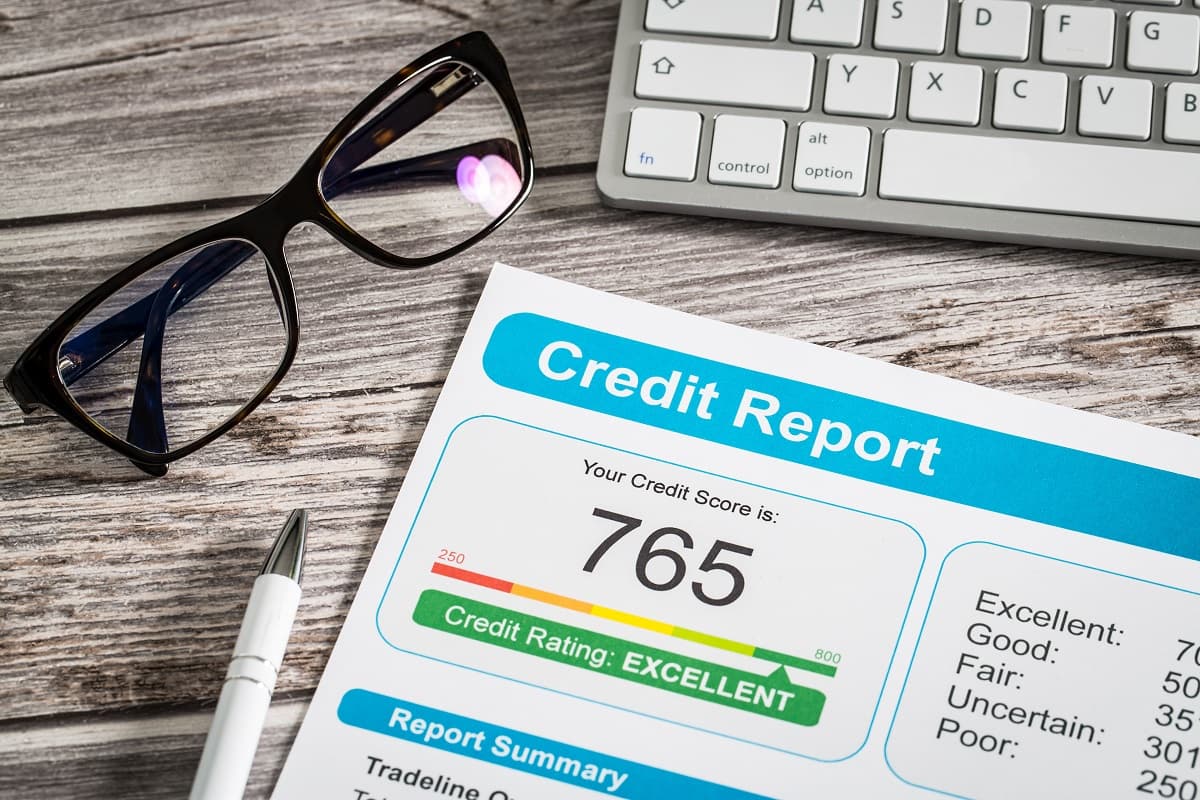
If you’re in the market to borrow against your home, a HELOC (or home equity line of credit) is probably on your short list of options. HELOCs allow you to borrow exactly what you need throughout a draw period, and you only pay interest once the repayment period begins, often five to 10 years later.
You’ll need to comply with the lender’s debt-to-income (DTI) ratio requirements (usually 36% – 43%), have enough equity to retain 15% – 20% on top of the borrowed amount, and meet the minimum credit score for HELOC approval.1
The Role of Credit Scores in HELOC Approval
When lenders consider whether to approve a loan against home equity, they’re not just looking at the property itself. Even if you own it free and clear but still want to get equity out of your home, banks want borrowers to repay loans.
Setting minimum credit scores helps lenders decide whether a loan is a safe bet to be repaid based on borrower credit history and habits.
A credit score is a calculation that shows:
- If you make payments late or miss them
- Whether you have a mix of different types of loans and credit
- How long you’ve held each source of credit and whether any are new
- If you’ve defaulted on other loans through bankruptcy or accounts in collections
Minimum Credit Score Requirements
So what’s the minimum credit score for a HELOC? The quick answer is: 680.1
The more accurate answer, however, is that it depends on the HELOC lender. Each lender sets their own credit score minimums. In general:
- A common minimum for HELOC loans is 680
- Most traditional lenders’ minimums range from 620 to 700
- Select lenders will work with borrowers with a score as low as 5502
Why Credit Score Matters for HELOC Interest Rates
The higher the risk, the higher the return. This means that if your credit score is top-notch, you’ll get a lower interest rate from the lender—they feel safe that you’ll repay the HELOC loan.
Lenders interpret lower credit scores as taking on more risk. If your history shows late or missed payments, loan defaults, or simply not a lot of experience holding a typical mix of credit, they’re less certain of loan repayment—which means higher HELOC rates.
The interest rate of your HELOC loan affects both the total amount of interest you’ll pay over the life of the credit line and the amount of your monthly payments (interest only during the draw period, then interest plus principal during repayment).
Improving Your Credit Score for a Better HELOC
Credit scores range from 300 to 850. While you can’t double yours overnight, there are several ways to improve your score within months or even weeks:
- Make payments on time for all current debts
- Check your credit report and dispute any errors
- Pay down current debts (or increase your recordable income) to reduce your DTI ratio
- Do not open any new credit cards or loans
Getting Approved with a Lower Credit Score
A HELOC isn’t an absolute “no” if you have poor credit. You can:
- Shop around and compare quotes from lenders that allow lower credit scores
- Add an explanatory letter with your application (the facts and fix of what occurred)
- Balance a low credit score with an excellent DTI, high equity, and proof of stable income
HELOC vs. Other Financing Options
There are two other classic methods of borrowing against your home equity—a cash out refinance vs. a traditional home equity loan (or second mortgage). Both of these have similar credit scores and other requirements, however.
If you don’t qualify for a HELOC, you can look into:
- Applying with co-signer who has a better credit history
- Reverse mortgage if you’re 62 or older
- Credit cards with low interest rates or introductory zero-interest offers
- Personal loan
- Sell and stay transaction
See related: Alternatives to Reverse Mortgages
How Can a Sell and Stay Transaction Help You?
HELOCs are a common borrowing option when you need upfront access to a credit line and zero-interest payments for a few years. Yet, while these options seem risk-free, there are inherent downsides.
If you’re considering other financing options, a sell and stay transaction is worth pursuing, as it's not a debt product. If you decide to go this route, you’ll go through two steps:
- Selling your property
- Leasing your home back
With Truehold's sell and stay transaction, you’ll gain several benefits, including:
- Cash out your home equity
- Sign a lease with a competitive rental rate
- No longer be responsible for essential repairs, property tax, and property insurance
Ready to find out more? Call us today to have an representative connect with you to discuss whether a sell and stay transaction is right for your financial picture and goals.
Sources:
1. Bankrate. Requirements for a home equity loan or HELOC in 2023. https://www.bankrate.com/home-equity/requirements-to-borrow-from-home-equity/
2. MoneyGeek. Getting a HELOC With Bad Credit. https://www.moneygeek.com/mortgage/heloc/bad-credit/

Nicolas Cepeda
Financial Analyst at Truehold - A Specialist in Real Estate Finance
Nicolas Cepeda is a financial analyst with Truehold’s Real Estate Investment team, responsible for analytics and strategic decision making in the management of Truehold’s real estate portfolio. Nicolas has dedicated his career to residential real estate and is particularly focused on evolving solutions for homeowners and tenants. Nicolas holds a Masters in Engineering Management with a focus in Real Estate Finance and a range of experiences working with leading residential investors. Nicolas is a family-oriented individual and the proud uncle of 2 nieces. On the weekends you can find Nicolas on the soccer field or at his piano.
.jpg&w=3840&q=75)

.jpg&w=3840&q=75)
.jpg&w=3840&q=75)